Sponsored
Sponsored
Free Edition
Verified Content
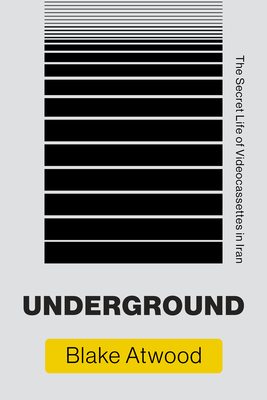
Underground: The Secret Life of Videocassettes in Iran (Infrastructures)
Overview
How Iranians forged a vibrant, informal video distribution infrastructure when their government banned all home video technology in 1983.
In 1983, the Iranian government banned the personal use of home video technology. In Underground, Blake Atwood recounts how in response to the ban, technology enthusiasts, cinephiles, entrepreneurs, and everyday citizens forged an illegal but complex underground system for video distribution. Atwood draws on archival sources including trade publications, newspapers, memoirs, films, and laws, but at the heart of the book lies a corpus of oral history interviews conducted with participants in the underground. He argues that videocassettes helped to institutionalize the broader underground within the Islamic Republic.
As Atwood shows, the videocassette underground reveals a great deal about how people construct vibrant cultures beneath repressive institutions. It was not just that Iranians gained access to banned movies, but rather that they established routes, acquired technical knowledge, broke the law, and created rituals by passing and trading plastic videocassettes. As material objects, the videocassettes were a means of negotiating the power of the state and the agency of its citizens. By the time the Ministry of Culture and Islamic Guidance lifted the ban in 1994, millions of videocassettes were circulating efficiently and widely throughout the country. The very presence of a video underground signaled the failure of state policy to regulate media. Embedded in the informal infrastructure--even in the videocassettes themselves--was the triumph of everyday people over the state.
In 1983, the Iranian government banned the personal use of home video technology. In Underground, Blake Atwood recounts how in response to the ban, technology enthusiasts, cinephiles, entrepreneurs, and everyday citizens forged an illegal but complex underground system for video distribution. Atwood draws on archival sources including trade publications, newspapers, memoirs, films, and laws, but at the heart of the book lies a corpus of oral history interviews conducted with participants in the underground. He argues that videocassettes helped to institutionalize the broader underground within the Islamic Republic.
As Atwood shows, the videocassette underground reveals a great deal about how people construct vibrant cultures beneath repressive institutions. It was not just that Iranians gained access to banned movies, but rather that they established routes, acquired technical knowledge, broke the law, and created rituals by passing and trading plastic videocassettes. As material objects, the videocassettes were a means of negotiating the power of the state and the agency of its citizens. By the time the Ministry of Culture and Islamic Guidance lifted the ban in 1994, millions of videocassettes were circulating efficiently and widely throughout the country. The very presence of a video underground signaled the failure of state policy to regulate media. Embedded in the informal infrastructure--even in the videocassettes themselves--was the triumph of everyday people over the state.
Finding high-quality digital editions shouldn't be a challenge. With instant access to our curated library, you can start your journey with Aftermath immediately. Whether on your phone, tablet, or e-reader, the story of Raleigh's life is presented in a format designed for modern readers.
To get started finding Underground: The Secret Life of Videocassettes in Iran (Infrastructures), you are right to find our website which has a comprehensive collection of titles listed. Our library is one of the most comprehensive resources for free digital reading materials, providing verified and safe content for book lovers worldwide.


36,114 currently reading


152,889 want to read
Sponsored
Sponsored
Book details & editions
| ISBN | 0262542846 |
| Publisher | N/A |
| Publication date | N/A |
| Language | English |
| Pages | pages |
| Reading Options | PDF · EPUB · Mobi |
Sponsored
Sponsored






Ratings & Reviews
5 ★
81.4%
4 ★
14.6%
3 ★
3%
2 ★
0.6%
1 ★
0.4%
4.76
BlueReads Choice
Sponsored
Write a Review
Community Reviews
Sort by: