Sponsored
Sponsored
Free Edition
Verified Content
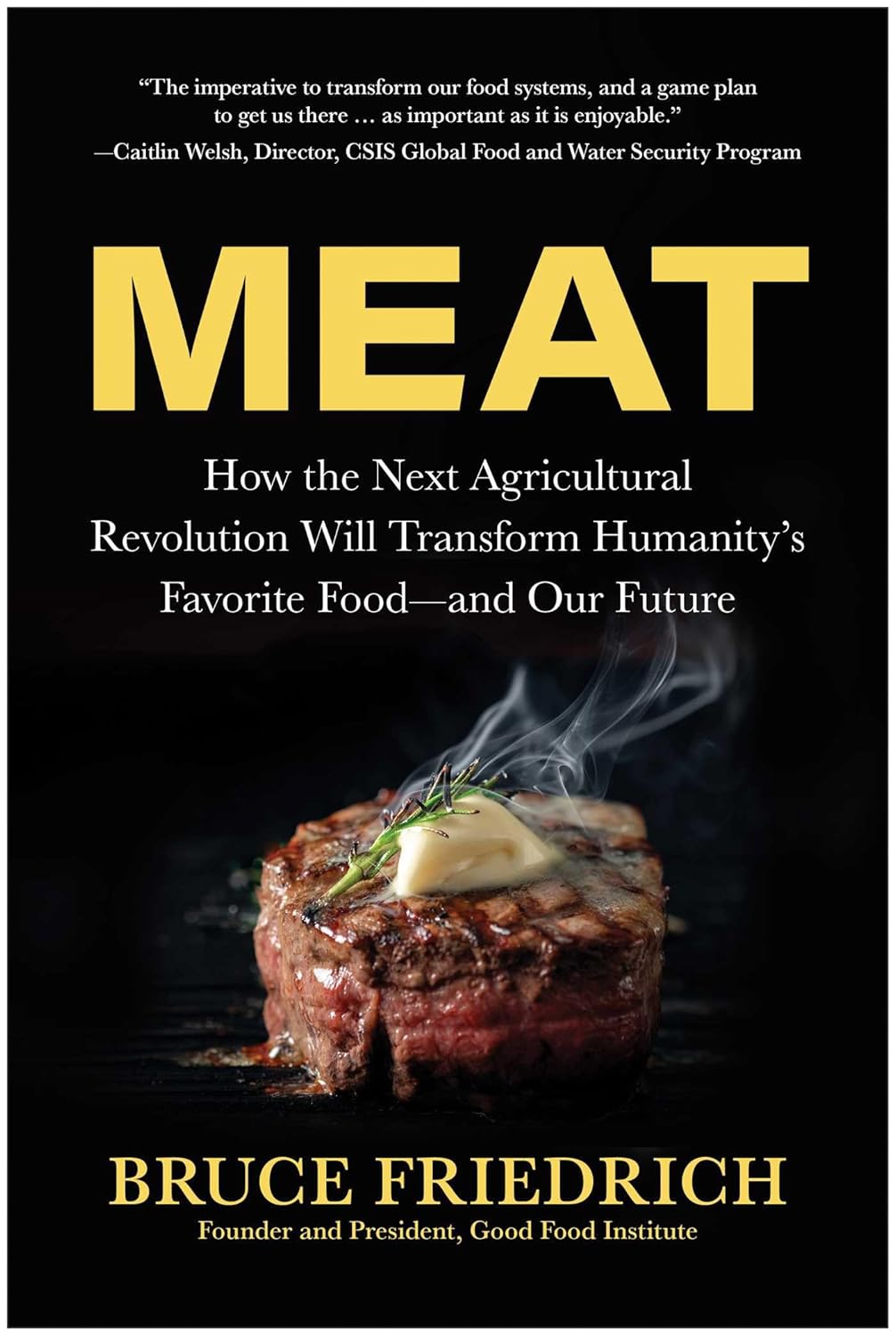
Meat: How the Next Agricultural Revolution Will Transform Humanity's Favorite Food―and Our Future
Overview
"This packed account makes food science feel like an urgent and essential undertaking." —Publishers Weekly (Top 10 New Release in Science)
"[Meat] has broad appeal.” —Nature (top five "best science picks")
"This book is an eye-opener that could help save the world… The topic is crucial, and Friedrich’s presentation is clear, persuasive, and entertaining." — Kim Stanley Robinson, winner of the Hugo, Nebula, & Locus awards; author of The Ministry for the Future
Good Food Institute founder and president Bruce Friedrich offers a hopeful and rigorously researched exploration of how science, policy, and industry can work together to satisfy the world’s soaring demand for meat, while building a healthier and more sustainable world.
The human love of meat appears to be hard-wired. The world consumes more than 550 million metric tons of meat and seafood each year. That number has been climbing for decades and is expected to continue to rise through at least 2050.
What if we could give humanity the meat it craves, but produced differently? Plant-based and cultivated meat that are just as delicious as the meat you love, but more affordable and healthier.
Think it’s not possible? With examples ranging from the “horseless carriage” (car) to the smart phone in your pocket, Meat reminds readers that scientific innovations often move from disbelief or opposition to inevitability and ubiquity, much faster than almost anyone expects.
Envisioning a future where meat is both a delight and a force for good, Friedrich explores:
- Humanity’s 12,000-year-old practice of raising animals for meat, and why we need to figure out a better way.
- The science and scientists behind the efforts to create plant-based and cultivated meat that is indistinguishable from conventional animal meat, but less expensive, more nutritious, and safer.
- How plant-based and cultivated meat can preserve forests and biodiversity, mitigate climate change and ocean pollution, and lower antimicrobial resistance and pandemic risk.
- The economic and food security benefits of making meat more efficiently, which include trillions of dollars in economic output annually, tens of millions of good jobs, and the possibility of a revitalized farm economy.
Meat offers a vision of the next agricultural revolution that is optimistic, achievable, and delicious.


36,114 currently reading


152,889 want to read
Sponsored
Sponsored
Book details & editions
| ISBN | 1637747934 |
| Publisher | BenBella Books |
| Publication date | December 2025 |
| Language | English |
| Pages | 450 pages |
Sponsored
Sponsored


Ratings & Reviews
5 ★
58%
4 ★
28%
3 ★
10%
2 ★
3%
1 ★
1%
4.40
BlueReads Choice
Sponsored
Write a Review
Community Reviews
Sort by:






